Painted Boletes and What I Did With the Rubiya
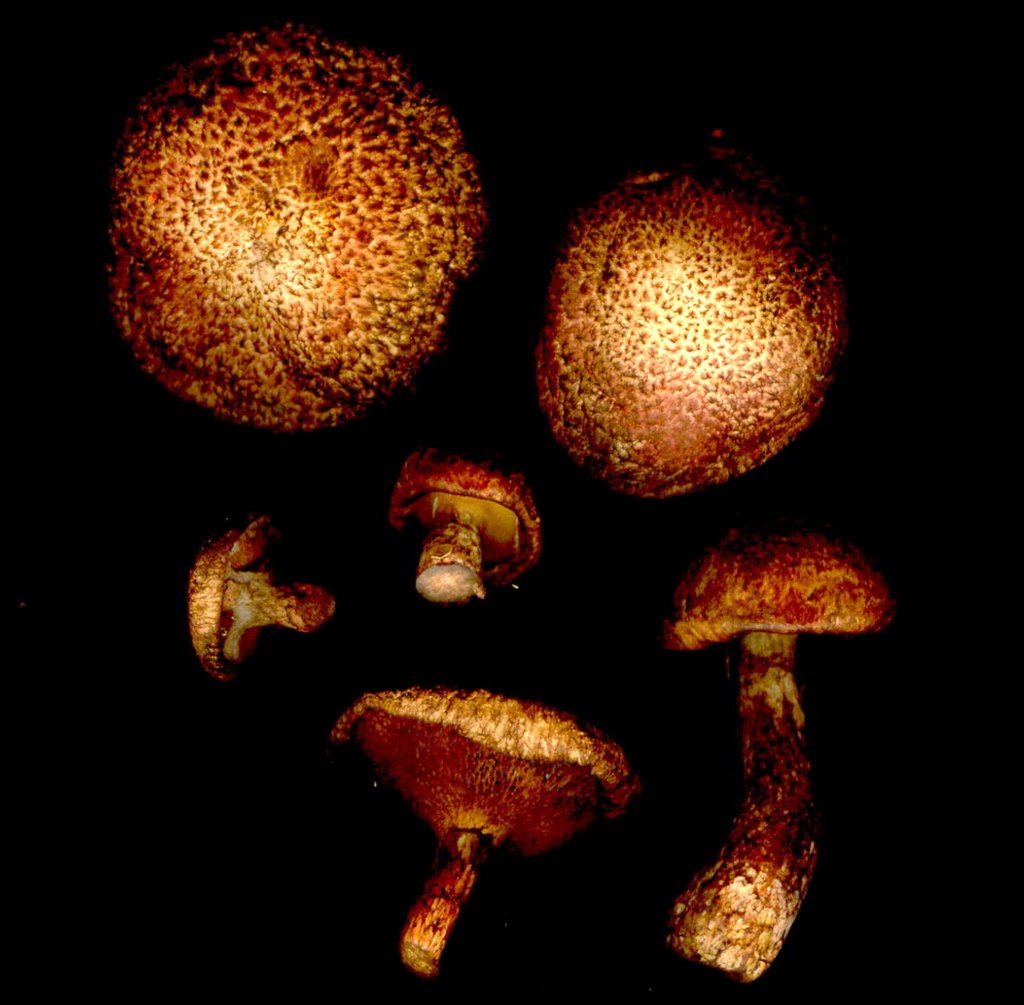
These bodacious boletes are from Honey Hollow Farm. I used them in a stew of black and white beans for the New Year. I had a feeling when I saw these mushrooms that they would be an auspicious addition to a Rosheshone table. While mushrooms are not specifically mentioned in the Talmud along with the five vegetables to be eaten at the New Year, they share with these vegetables the attribute of legendary rapid growth. They are also delicious.
On salting beans
Almost every recipe that calls for cooked beans will tell you not to salt the beans until they are done. The putative reason for this practice is that salt will “toughen” the beans. Intimidated as I am by near-unanimity, I have never found salted beans to be tough, and they seem in my considerable bean-cooking experience always to be better than beans cooked without salt.
Almost every recipe that calls for cooked beans will tell you not to salt the beans until they are done. The putative reason for this practice is that salt will “toughen” the beans. Intimidated as I am by near-unanimity, I have never found salted beans to be tough, and they seem in my considerable bean-cooking experience always to be better than beans cooked without salt.
Rubiya with Guinness-Marinated Tofu and Boletes
1 one-pound block of fresh tofu brand tofu, or other fresh handmade tofu (I like silken tofu too, but it is too refined for this recipe)
1 bottle of Guinness Extra Stout, with two tablespoons of shoyu or another kind of soy sauce, 1 rounded teaspoon Dijon
Olive oil
One medium or large onion, sliced into thin half-moons
2 tablespoons flour
12 ounces (2 cups) rubiya or yin-yang beans (or calypso beans or black-eyed peas)
1 pound painted boletes or other mushrooms (for about 12 ounces caps), sliced
1 teaspoon dried thyme leaves
1 28-ounce can whole peeled plum tomatoes (I used muir glen)
2 or 3 chiles
1 branch mild rosemary
1 tablespoon paprika
1 bunch parsley (1 cup minced leaves)
salt, pepper, honey and more paprika to taste
Cut the tofu into cubes or oblate paralellopipeds
and place the pieces in a shallow non-reactive container. Ideally the tofu pieces should just cover the bottom. Pour over the tofu one bottle (twelve ounces) Guinness extra stout or other stout or dark beer. Add two tablespoons shoyu or other soy sauce, one teaspoon of
Soak the beans
for several hours or overnight (or skip this step). Discard the soaking water; put the beans in your bean-cooking pot, and add two bay leaves, two teaspoons salt, fives whole, peeled garlic cloves, one dried chile pod (or a fresh chile pod), and twelve black peppercorns. Cover the beans with fresh water, and set over heat to cook until done. Cooking time will vary.
Heat oil in an iron skillet
and cook the sliced onion until tender and translucent. Sprinkle flour over the onions and stir well until it loses its raw flour smell. Pour in about 2/3 of the Guinness-marinade while stirring. You can probably go ahead and add all the Guinness. In another skillet, cook the bolete caps in oil over high heat. Crumble about one teaspoon dried thyme (six fat pinches) into the mushrooms. When the mushrooms are well-cooked, add them to the onion-Guinness roux. Raise the heat and add the tomatoes, crushing them with the spoon as you stir.
In the skillet recently vacated
by the mushrooms, heat some more oil and fry the tofu pieces until they are nicely brown on two or three sides. Now combine the fried tofu, the vegetables with roux, and the cooked and drained rubiya in a large heavy pot. If they look too dry add a bit of bean-liquid or some reserved Guinness marinade. Add the chiles, a tablespoon of sweet paprika, some salt and pepper, a branch of rosemary (less if it is not quite mild), and parsley. You may also want to add a little honey or sugar at this point. Simmer over low heat for about an hour, and taste for seasonings.
I will probably make soup with the reserved mushroom stems and bean-liquid. See Sweetnicks for other soul-warming creations. Darker beers have more antioxidants. Really.
Food and Drink, Recipes, Cooking, Food, Vegetarian, vegan, vegetables, antioxidant-rich foods, painted boletes, tofu, Guinness stout,
calypso beans, yin-yang beans, black-eyed peas, rubia, rubiya, loubia, lobia
posted by the chocolate doctor מרת שאקאלאד at 7:05 PM
3 comments


